Poultry Investment UAE 2026: Opportunities for GCC Investors in Global Food Production
15 Jun 2026 United Arab Emirates
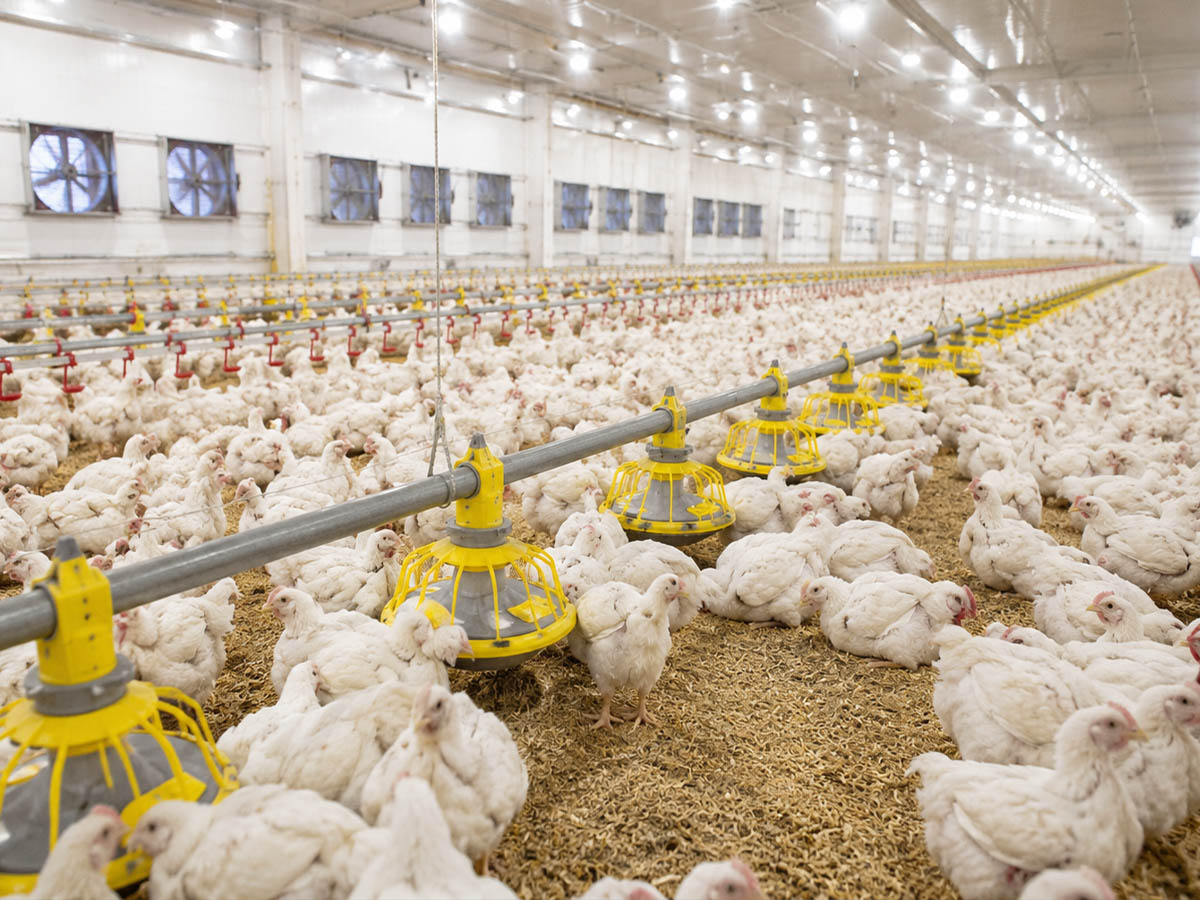
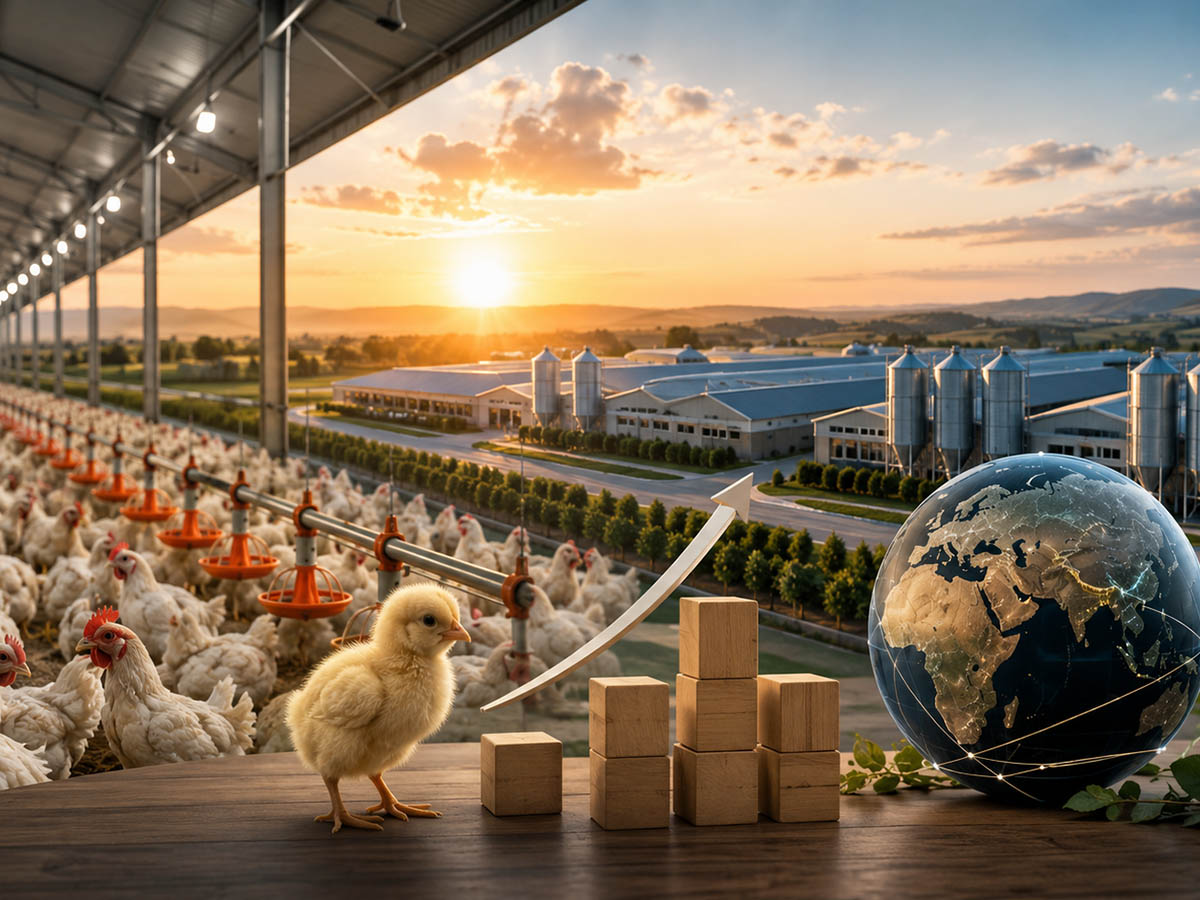
The global food industry is entering a new era where agricultural assets are becoming increasingly attractive to investors seeking long-term value and stability. Rising populations, growing protein consumption, and concerns over food security have made poultry production one of the most resilient sectors worldwide.
For investors across the Gulf region, poultry investment UAE opportunities have gained significant attention as part of broader diversification strategies. Unlike traditional financial assets that are often exposed to market volatility, agricultural investments are backed by real production and essential consumer demand.
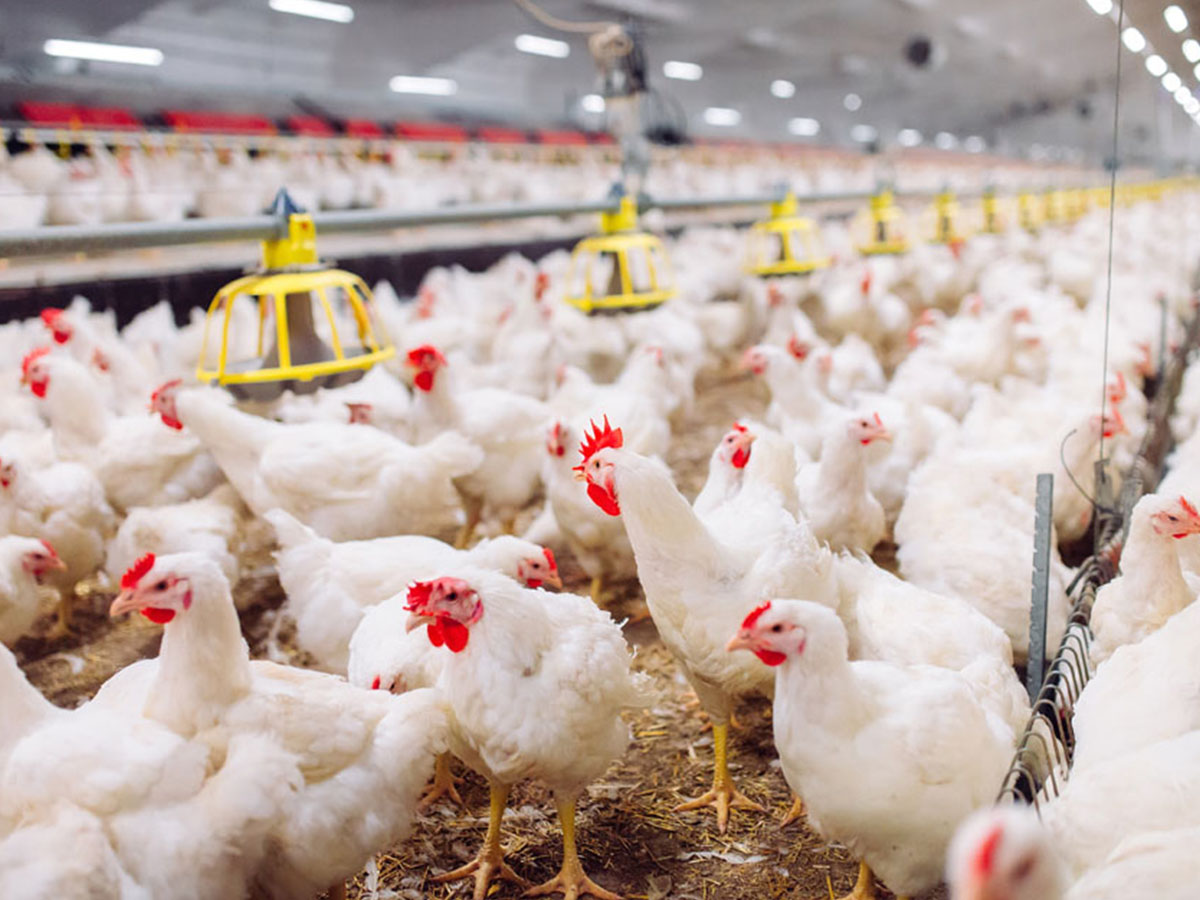
Poultry farming, in particular, stands out because chicken remains one of the most consumed protein sources globally. Demand continues to rise in emerging and developed markets alike, creating opportunities for investors looking to participate in an industry driven by long-term fundamentals rather than short-term trends.
Why Poultry Farming Is Becoming a Strategic Investment
Food production has always been essential, but recent global developments have highlighted its strategic importance. Governments and investors alike are increasingly focusing on food security and sustainable supply chains.
Poultry production offers several advantages compared to other agricultural sectors:
Continuous demand for poultry meat worldwide
Short production cycles compared to many livestock industries
Scalable operations with predictable output
Strong global market growth driven by population increases
Opportunities for professionally managed investments
As the GCC region continues to diversify beyond hydrocarbons, many investors are allocating capital toward agriculture and food-related assets. Poultry farming aligns well with these goals because it combines real asset ownership with income-generating potential.
Poultry Investment Opportunities for UAE and GCC Investors
Investors from the UAE, Saudi Arabia, Qatar, Kuwait, Bahrain, and Oman increasingly seek international agricultural projects that offer operational transparency and professional management.
Modern poultry investment models allow investors to participate without managing day-to-day farm activities. In these structures, experienced operators oversee production, animal welfare, logistics, and facility management while investors benefit from the underlying economic performance.
Key features often sought by GCC investors include:
Freehold ownership structures
Asset-backed investments
USD-denominated returns
Professional farm management
Transparent reporting systems
Long-term production agreements
Such models provide exposure to the growing global food market while reducing operational complexity for investors.
For many Gulf investors, diversification is no longer simply about spreading risk across different financial products. It is increasingly about owning productive assets that generate value through essential economic activity.
Managed Poultry Farms and Potential Returns
One of the major developments in agricultural investing is the rise of fully managed poultry farms. These projects allow investors to own production units while specialized teams handle daily operations.
Professional management typically includes:
Biosecurity implementation
Veterinary oversight
Feed management
Production monitoring
Technical maintenance
Performance reporting
Because poultry production follows established industry standards, investors can benefit from structured operational systems designed to maximize efficiency.
Depending on project structure, location, and market conditions, integrated poultry investments of this type target net annual returns of up to 16%, with payback from around 6 years. Naturally, projected returns vary and depend on production performance, operating costs, and market demand.
Investors should always conduct proper due diligence and review ownership structures, legal frameworks, and management capabilities before committing capital.
The growing demand for poultry products across international markets continues to support long-term industry growth. This makes professionally managed poultry operations increasingly attractive for investors seeking exposure to the food sector.
Why Food Security Is Driving Agricultural Investments in 2026
Food security has become one of the defining investment themes of the decade. Countries across the Middle East are actively investing in agricultural supply chains to ensure stable access to essential food products.
As climate challenges, geopolitical shifts, and population growth place pressure on global food systems, productive agricultural assets are receiving renewed attention from institutional and private investors alike.
Poultry production plays a critical role within this framework because it offers efficient protein conversion and scalable production capacity.
For GCC investors, agricultural investments provide multiple advantages:
Portfolio diversification
Exposure to global food demand
Real asset ownership
Inflation resilience
Long-term growth potential
The combination of demographic growth and rising protein consumption suggests that poultry demand will continue expanding over the coming decades.
As a result, poultry farms are increasingly viewed not merely as agricultural businesses but as strategic infrastructure supporting future food systems.
The Future of Poultry Investment in the UAE and GCC Region
The investment landscape is evolving rapidly, and agricultural assets are becoming a permanent part of many diversified portfolios. Poultry farming offers a unique combination of real production, recurring demand, and long-term growth potential.
For UAE and GCC investors seeking opportunities beyond conventional asset classes, managed poultry investments provide exposure to one of the world's most essential industries.
As global demand for food continues to rise, professionally managed poultry projects may offer an attractive pathway toward sustainable, asset-backed investment strategies in 2026 and beyond.