Poultry Investment USA 2026: A Complete Guide for American Investors
08 Jun 2026 United States
As global food demand continues to rise, investors are increasingly looking beyond traditional asset classes in search of stable, income-generating opportunities. Agriculture has emerged as one of the most resilient sectors, and poultry production stands out as a particularly attractive option. For investors seeking exposure to the food supply chain, poultry investment USA opportunities are gaining attention due to their combination of essential demand, scalable operations, and long-term growth potential.
Unlike many industries that fluctuate with economic cycles, poultry remains a staple food product consumed by millions of households every day. This creates a unique investment environment where demand is driven by necessity rather than consumer trends alone. As we move into 2026, understanding how poultry investments work and where the opportunities lie can help investors make informed decisions.
Why Poultry Investment Is Growing in the USA
The United States is one of the largest poultry producers in the world. Chicken remains the most consumed meat in the country, supported by its affordability, nutritional value, and widespread availability. According to industry trends, poultry consumption has consistently outpaced other protein sources, making the sector an important pillar of the American food economy.
Several factors are contributing to the growing interest in poultry investments:
Increasing Global Food Demand
The world's population continues to expand, creating greater pressure on food production systems. Poultry offers one of the most efficient methods of converting feed into protein, making it a critical component of future food security strategies.
Strong Domestic Consumption
American consumers consistently purchase poultry products regardless of economic conditions. While discretionary spending may fluctuate, food demand remains relatively stable, helping poultry businesses maintain predictable revenue streams.
Industrial Efficiency
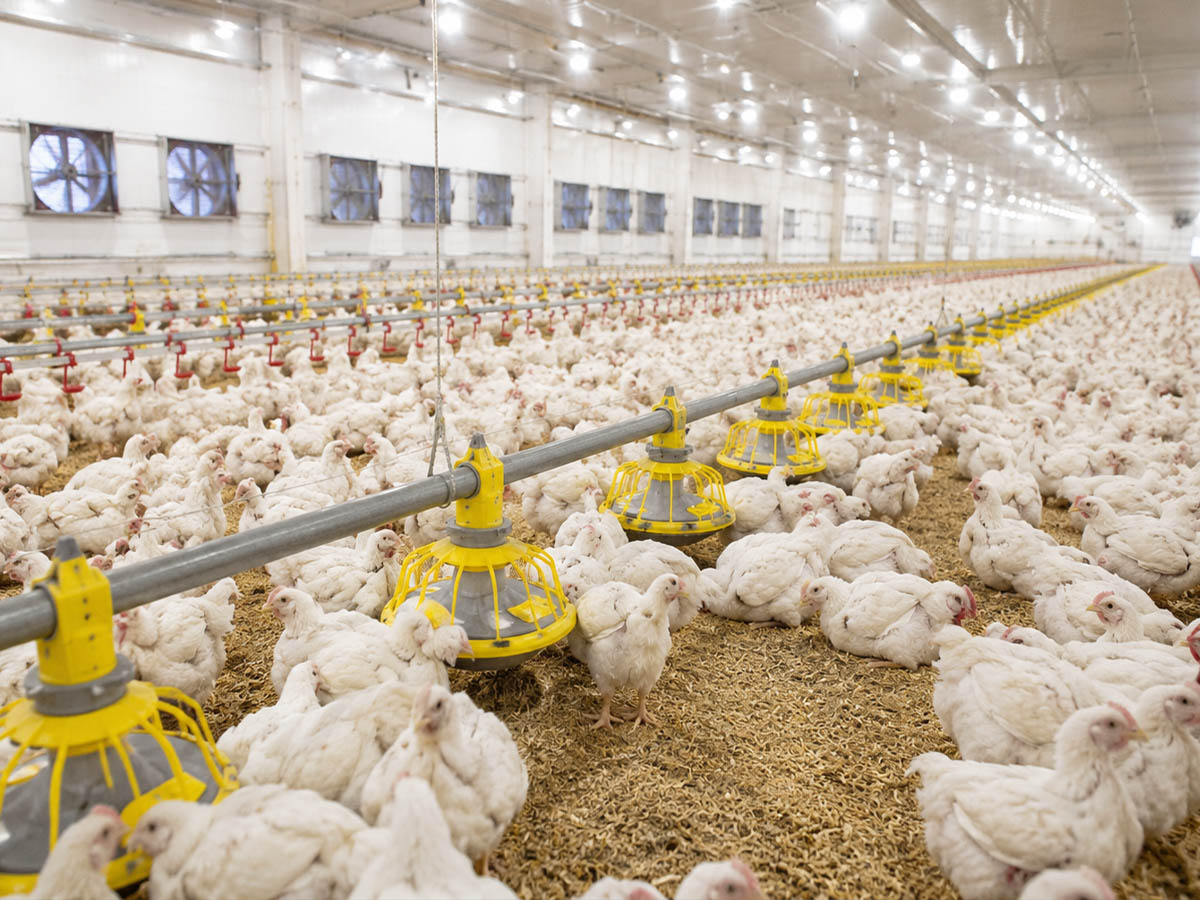
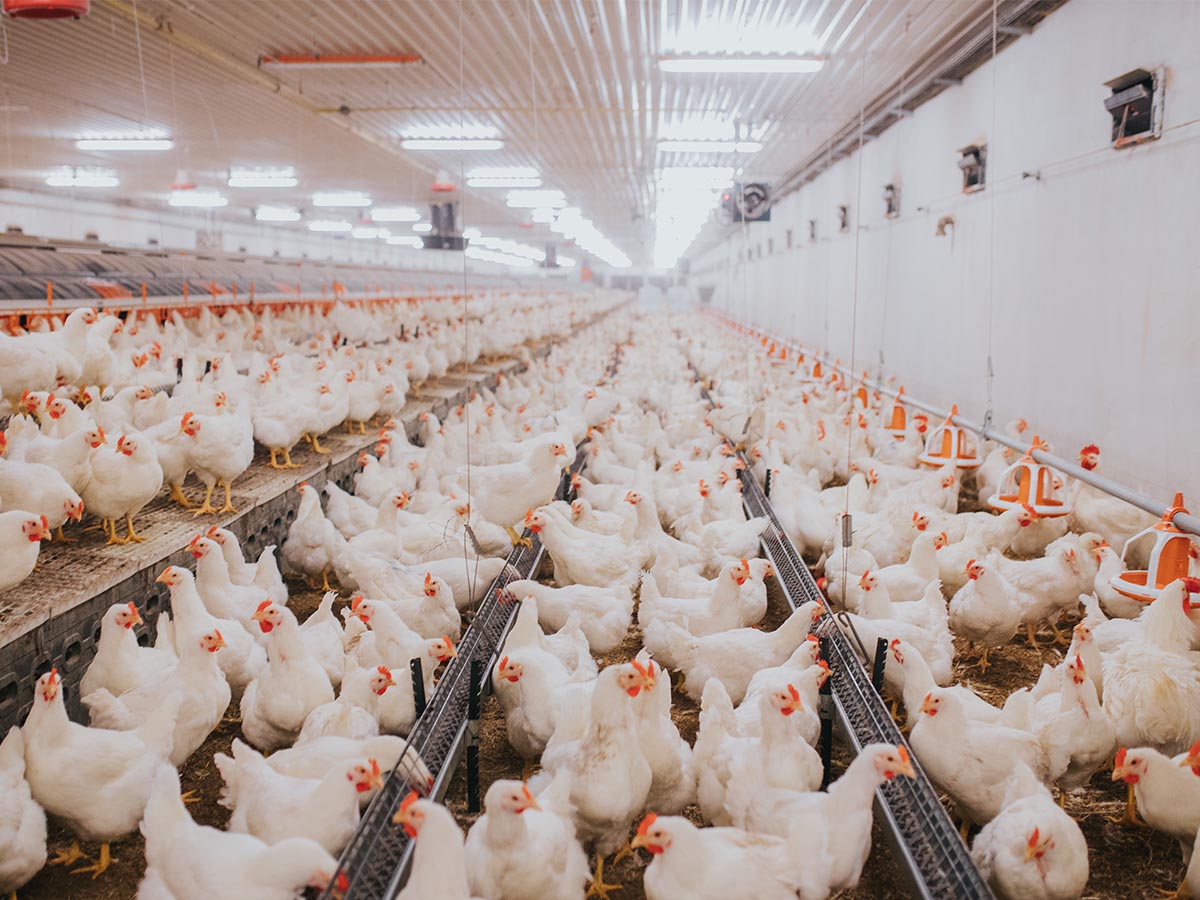
Modern poultry operations benefit from advanced technology, automated feeding systems, climate-controlled facilities, and sophisticated supply chain management. These efficiencies contribute to improved productivity and stronger financial performance.
Inflation Protection
Agricultural assets are often viewed as a hedge against inflation. Since food products are essential goods, poultry operations can often adapt pricing structures in response to changing market conditions.
Poultry Farm Investment Opportunities for American Investors
When discussing poultry farm investment opportunities, it is important to understand that investors can participate in the industry through several different models.
Direct Farm Ownership
Some investors choose to purchase and operate poultry farms directly. While this approach offers maximum control, it also requires significant industry knowledge, operational management, staffing, regulatory compliance, and capital investment.
Direct ownership can be rewarding but is generally better suited for experienced agricultural operators or investors willing to build specialized management teams.
Integrated Poultry Production Models
An increasingly popular alternative involves investing in integrated poultry production systems. These large-scale operations combine breeding, growing, processing, logistics, and distribution within a single ecosystem.
Integrated models help reduce operational risk because multiple stages of the value chain are managed together. This structure often leads to greater efficiency, stronger quality control, and more predictable production outcomes.
Managed Agricultural Investments
Some investment opportunities allow investors to participate in poultry production without handling day-to-day operations. In these structures, professional management teams oversee production, facility maintenance, animal welfare, and business operations.
For investors seeking exposure to agriculture without becoming full-time farm operators, managed poultry investments may provide a practical solution.
Benefits of Investing in Poultry Production in 2026
As investors evaluate opportunities for the coming years, several advantages make poultry production particularly compelling.
Essential Industry Status
Food production is not a discretionary sector. Regardless of economic conditions, consumers continue to purchase protein products. This fundamental demand creates a level of resilience that many industries cannot match.
Recurring Production Cycles
Unlike certain agricultural investments that depend on annual harvests, poultry production operates on relatively short and recurring cycles. This can create more frequent revenue generation opportunities compared to some traditional farming activities.
Scalable Business Model
Modern poultry facilities can often expand production capacity through additional units and infrastructure investments. Scalability enables businesses to increase output while benefiting from operational efficiencies.
Long-Term Market Growth
Industry analysts expect poultry consumption to continue growing globally throughout the coming decade. Rising populations, urbanization, and increasing protein consumption in developing markets support long-term demand fundamentals.
Professional Management Structures
Many modern poultry projects utilize experienced management teams, veterinarians, nutrition specialists, and agricultural engineers. This professional approach helps improve operational consistency and performance.
Key Risks to Consider Before Making a Poultry Investment
While poultry investments offer attractive opportunities, every investment carries risks that should be carefully evaluated.
Market Price Fluctuations
Feed costs, energy prices, transportation expenses, and poultry market prices can all impact profitability. Investors should understand how a project's financial model responds to changing market conditions.
Disease Management
Biosecurity remains one of the most important aspects of poultry production. Professional operations invest heavily in disease prevention protocols, facility sanitation, and veterinary oversight.
Regulatory Compliance
Agricultural businesses must comply with environmental regulations, food safety standards, animal welfare requirements, and local permitting processes. Investors should review how potential projects manage regulatory obligations.
Operational Execution
Even strong market demand cannot compensate for poor operational management. Evaluating the experience and track record of a project's management team is essential before committing capital.
How to Evaluate a Poultry Investment Opportunity
Before investing, consider asking the following questions:
- What is the projected production capacity?
- Who manages daily operations?
- What biosecurity measures are in place?
- Is the project integrated or standalone?
- How is revenue generated and distributed?
- What are the expected operating costs?
- Does the project have all required permits and approvals?
- What is the long-term expansion strategy?
A thorough due diligence process can help investors identify opportunities with strong fundamentals and sustainable growth potential.
Conclusion
For investors seeking diversification beyond traditional stocks, bonds, and real estate, poultry production represents a compelling agricultural investment category in 2026. Strong consumer demand, global food security concerns, scalable business models, and recurring production cycles continue to support the sector's growth.
Whether through direct farm ownership, integrated production complexes, or professionally managed agricultural projects, poultry investments provide exposure to one of the world's most essential industries. As with any investment, success depends on careful research, proper risk assessment, and selecting projects backed by experienced operators and sound business fundamentals.
As food demand continues to rise across the globe, poultry production is likely to remain a critical component of the agricultural economy for years to come—making it a sector worth serious consideration for forward-looking American investors.