Poultry Farming vs Real Estate Investment: Which Offers Better Long-Term Value in 2026?
22 Jul 2026 United States
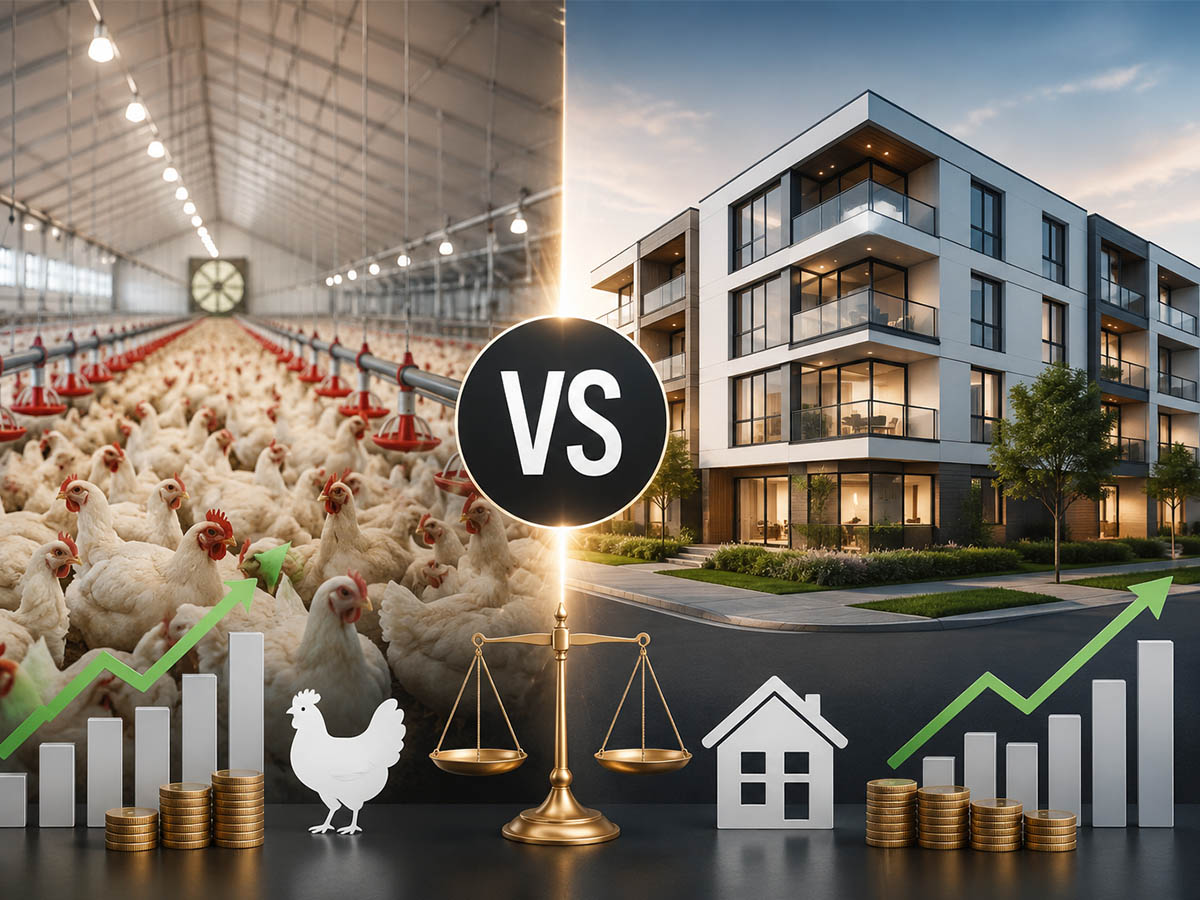
For generations, real estate has been regarded as one of the safest ways to build and preserve wealth. Property ownership offers tangible assets, rental income and the possibility of long-term capital appreciation. However, changing economic conditions, rising demand for food and the growing importance of food security have encouraged investors to explore alternative opportunities. As a result, the comparison between poultry farming vs real estate investment has become increasingly relevant.
Both investments involve owning real assets, but they generate value in very different ways. While property income often depends on tenants and market conditions, modern poultry farming is directly linked to food production—an industry driven by consistent global demand.
So, which investment offers better long-term value? The answer depends on your investment goals, but there are compelling reasons why professionally managed poultry farming is attracting increasing attention from international investors.
Why Investors Are Looking Beyond Real Estate
Real estate continues to play an important role in diversified investment portfolios. Residential and commercial properties have historically delivered long-term value through rental income and asset appreciation.
However, the property market has become more complex in many parts of the world. Investors must consider factors such as financing costs, maintenance expenses, vacancy periods, regulatory changes and fluctuating property values. These challenges have encouraged many investors to look beyond traditional asset classes.
At the same time, global investment trends have shifted towards sectors that provide products and services people need every day. Food production is one of those sectors.
Unlike discretionary purchases, food consumption remains constant regardless of economic conditions. People may postpone buying a new home or investing in commercial property, but the demand for food never disappears.
This fundamental difference has made agriculture—and particularly modern poultry farming—an increasingly attractive investment sector.
Why Poultry Farming Is Becoming a Strategic Investment
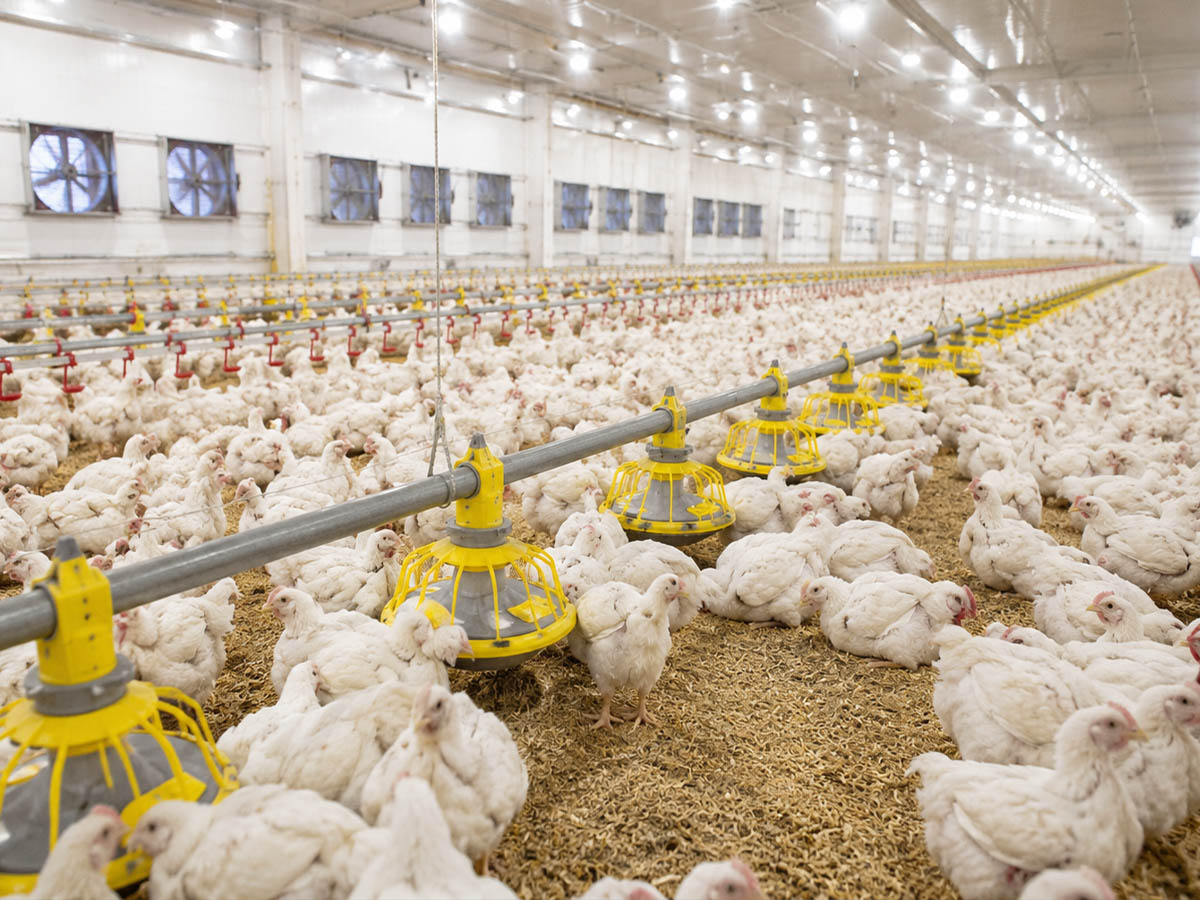
Modern poultry farming has evolved far beyond traditional agricultural practices. Today's commercial poultry production facilities operate with advanced technology, strict biosecurity standards and professional management systems that maximise efficiency and consistency.
One of the key drivers behind this transformation is the growing global demand for protein.
Chicken is one of the world's most consumed sources of animal protein due to its affordability, versatility and widespread acceptance across different cultures. As populations grow and dietary habits continue to evolve, demand for poultry products remains strong.
Unlike many industries that experience significant changes in consumer behaviour, poultry production serves a basic human necessity.
For investors, this creates an opportunity to participate in an industry supported by long-term consumption rather than short-term market trends.
Modern poultry production also benefits from significant technological innovation.
Today's facilities commonly feature:
- Automated feeding systems
- Climate-controlled production houses
- Advanced ventilation technology
- Digital monitoring systems
- Strict biosecurity protocols
- Data-driven production management
These technologies help improve operational efficiency while supporting consistent production standards.
As a result, poultry farming is increasingly viewed not simply as agriculture, but as a modern, technology-driven food production industry.
Production-Based Assets vs Rental-Based Assets
One of the biggest differences between poultry farming and real estate is how each investment generates value.
Real estate generally relies on rental income and long-term appreciation. The success of a property investment often depends on occupancy rates, tenant demand and local market conditions.
A poultry investment, however, is based on production.
Instead of generating income through tenants, a professionally managed poultry facility creates value by producing food for an industry with ongoing global demand.
This distinction is becoming increasingly important.
Production-based assets are directly connected to economic activity. Their value is linked to the continuous production of an essential product rather than simply holding ownership of physical property.
For many investors, this represents a different approach to long-term wealth creation.
Professional Management Makes the Difference
One reason some investors hesitate to consider agriculture is the perception that farming requires specialist knowledge and daily operational involvement.
That may have been true decades ago, but modern commercial poultry investments often operate under professional management models.
Experienced teams oversee:
- Daily production operations
- Animal welfare
- Environmental controls
- Equipment maintenance
- Biosecurity implementation
- Production monitoring
This allows investors to own a productive agricultural asset without personally managing the technical aspects of poultry production.
In many respects, professionally managed poultry investments offer a similar level of convenience to professionally managed property portfolios, while participating in a completely different economic sector.
Why Turkey Has Become an Attractive Destination for Poultry Investment
Location is one of the most important factors when evaluating any investment.
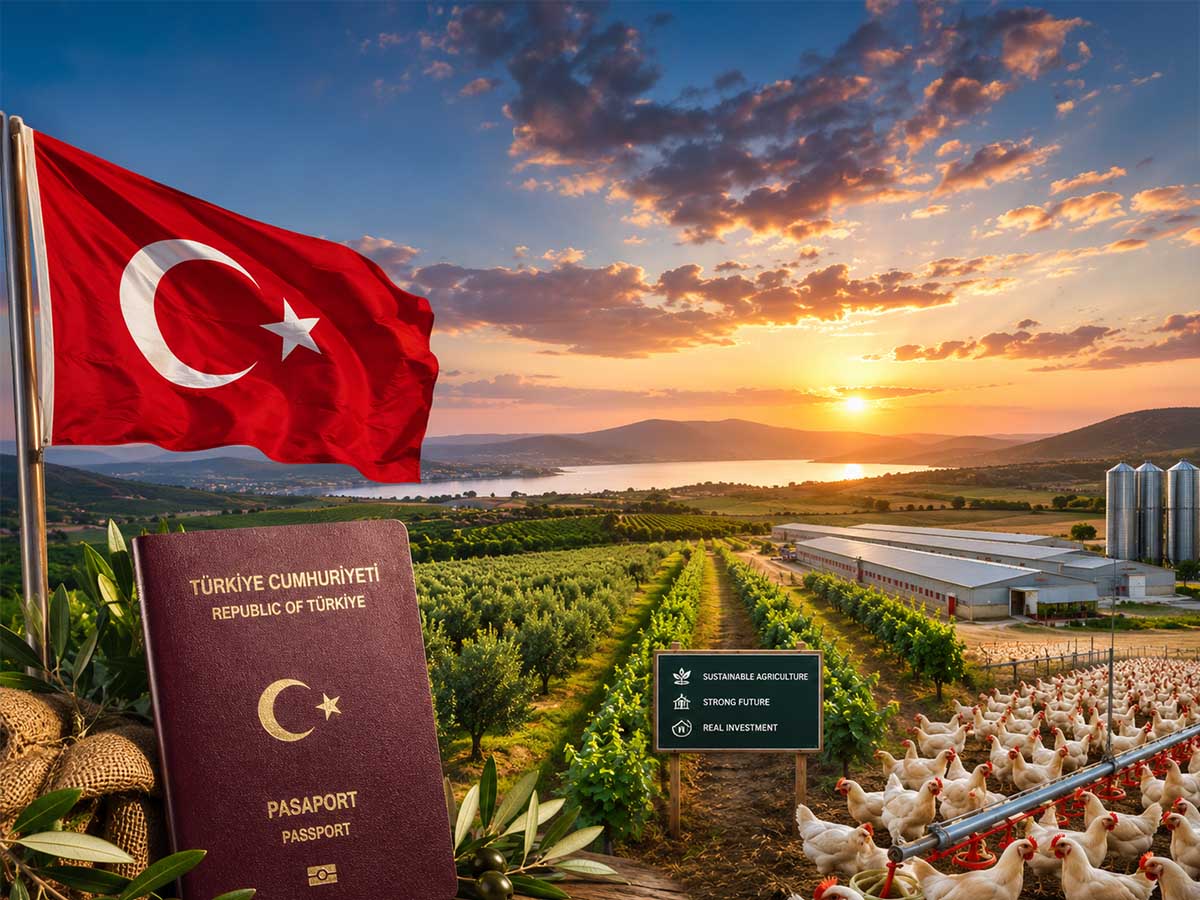
Turkey has become one of the world's leading agricultural producers thanks to its strategic geographic position, established farming expertise and modern production infrastructure.
Situated between Europe, the Middle East and Asia, Turkey provides efficient access to major international markets while benefiting from a strong agricultural tradition.
The country's poultry industry has continued to modernise through investment in automation, biosecurity and internationally recognised production standards.
These developments have helped position Turkey as an increasingly important hub for commercial poultry production.
For international investors, this combination of strategic location, agricultural expertise and modern infrastructure creates an attractive environment for professionally managed poultry investments.
Looking Beyond Traditional Investments
Investment strategies continue to evolve.
While real estate remains an important component of many portfolios, investors are increasingly recognising the value of productive assets that generate economic activity rather than relying solely on appreciation.
Food production belongs to a sector that supports daily life across every economy.
As populations expand and food security becomes a growing global priority, productive agricultural assets are receiving greater attention from investors seeking long-term stability and diversification.
Modern poultry farming represents this new generation of agricultural investment.
With advanced technology, professional management and production systems built to international standards, today's poultry facilities offer a very different investment proposition from traditional farming.
Rather than viewing poultry farming and real estate as competing asset classes, many experienced investors see them as complementary.
However, for those looking to diversify into an industry supported by enduring global demand, professionally managed poultry farming offers a compelling opportunity that continues to gain momentum.
Final Thoughts
Real estate has earned its reputation as a long-term investment, and it will undoubtedly remain an important asset class for many investors.
However, the global economy is changing. Food production is becoming increasingly strategic, not only because of population growth but also because governments, businesses and investors recognise the importance of secure, efficient and sustainable food supply chains.
Modern poultry farming combines tangible asset ownership with advanced technology, professional operational management and participation in one of the world's most essential industries.
For investors seeking diversification beyond conventional property markets, professionally managed poultry investments provide exposure to an industry driven by continuous demand rather than changing consumer trends.
As investment priorities continue to evolve, poultry farming is no longer viewed simply as agriculture—it is increasingly recognised as a modern, production-based investment that aligns with the future of global food production.
Frequently Asked Questions
Is poultry farming a better investment than real estate?
Both investments have advantages. Real estate offers exposure to the property market, while poultry farming provides access to the food production sector. The right choice depends on your investment goals and diversification strategy.
Why is poultry farming attracting more investors?
Growing global demand for protein, advances in farming technology and increasing interest in food security have made modern poultry farming more attractive to long-term investors.
Do investors need farming experience?
Not necessarily. Many modern poultry investment models are professionally managed, allowing investors to own production assets while experienced teams oversee daily operations.
Why is Turkey considered a strong location for poultry investment?
Turkey combines a strategic geographic location, modern production infrastructure, agricultural expertise and access to major international markets, making it an attractive destination for commercial poultry production.
Can poultry farming complement a real estate portfolio?
Yes. Many investors use agricultural assets to diversify beyond traditional property investments and gain exposure to the global food production sector.