Broiler Farm Investment 2026 — How It Works and What You Earn
17 Jun 2026 United States
Investors are increasingly looking beyond traditional assets in search of opportunities that offer both stability and long-term growth potential. Among the alternatives gaining attention, broiler farm investment has emerged as an attractive option due to its connection to food production, tangible asset ownership, and the growing global demand for poultry products.
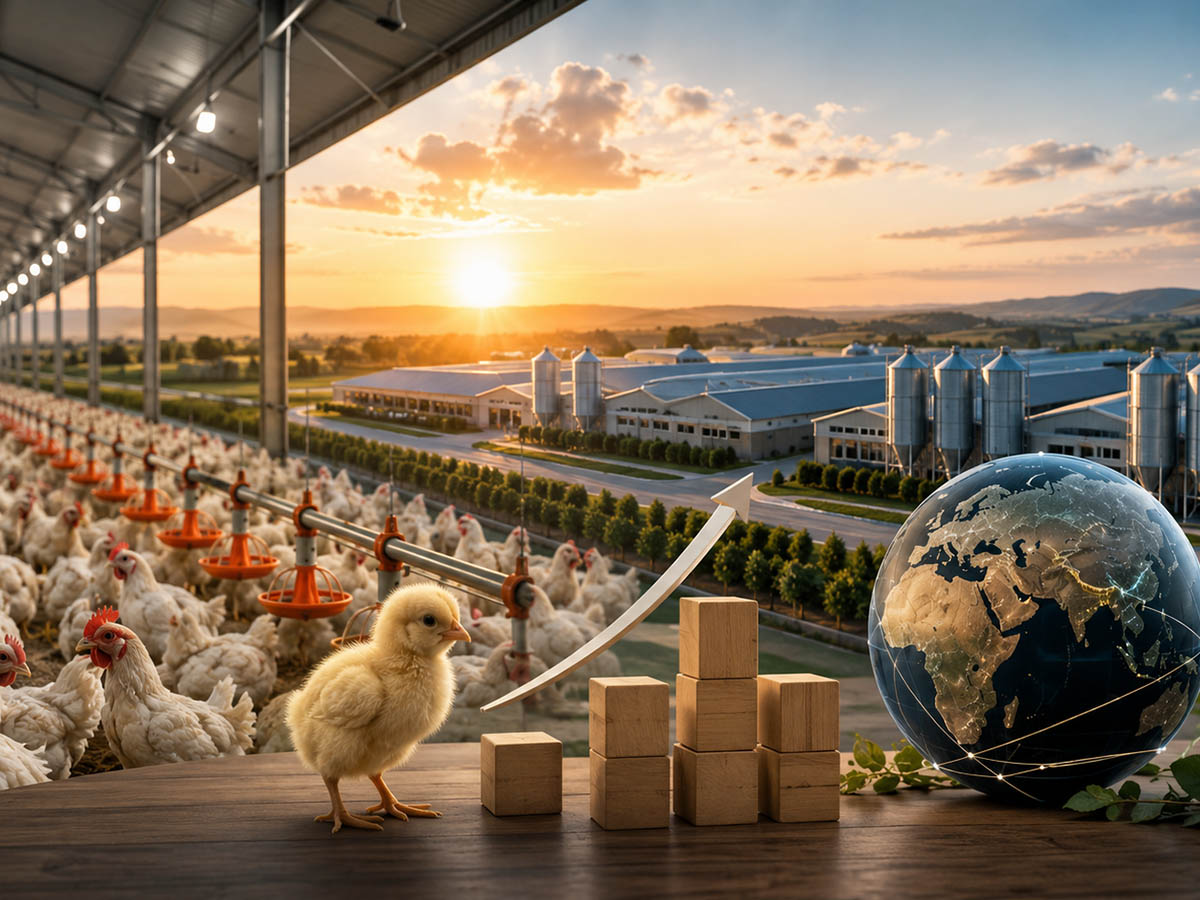
Unlike many investment opportunities that rely heavily on financial market performance, broiler farming is linked to one of the world's most essential industries: food. As populations continue to grow and protein consumption increases across many regions, poultry production remains a critical part of the global food supply chain.
For investors unfamiliar with the sector, understanding how broiler farm investments work is the first step towards evaluating whether this agricultural asset class deserves a place within a diversified portfolio.
What Is a Broiler Farm Investment?
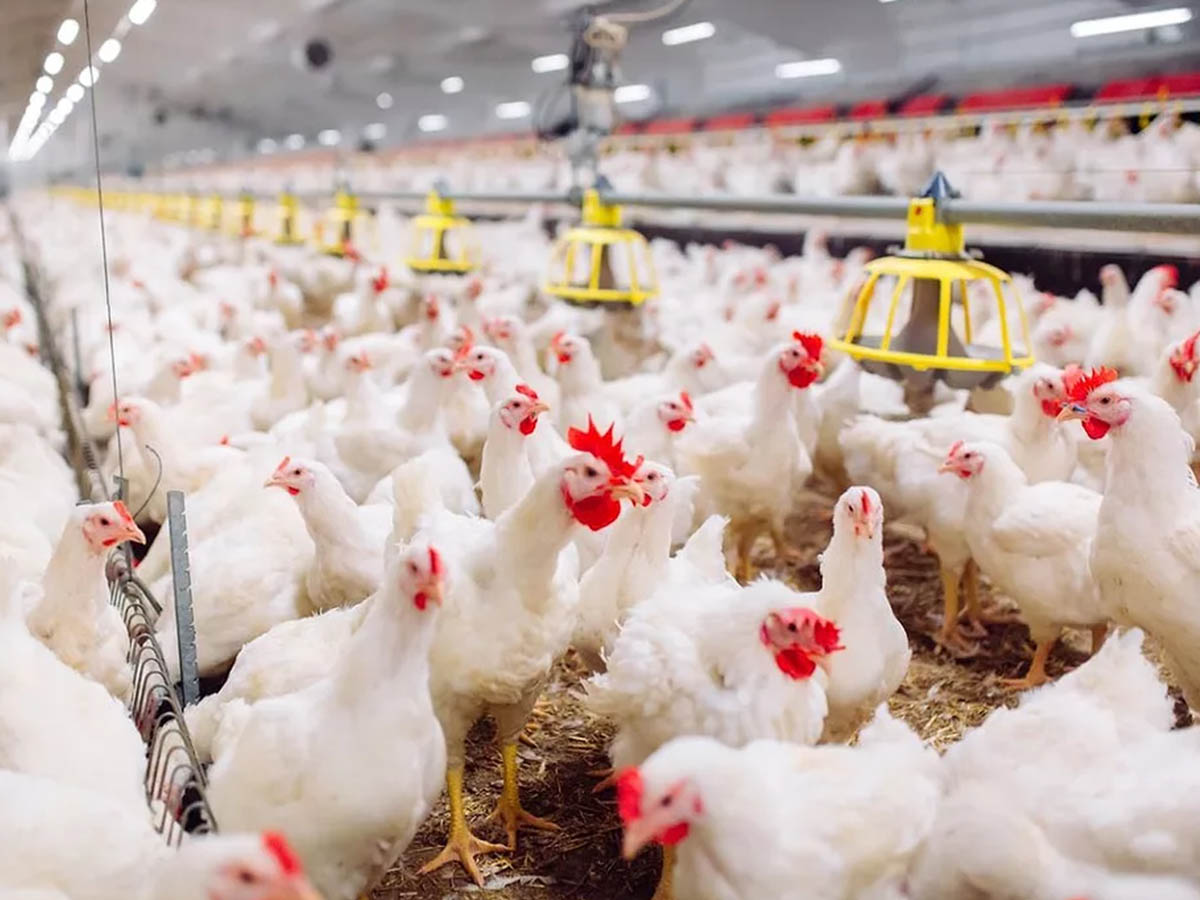
A broiler farm is a facility specifically designed to raise chickens for meat production. These chickens, known as broilers, are bred to grow efficiently and reach market weight within a relatively short period.
A broiler farm investment allows individuals to participate financially in this production process. Depending on the investment structure, investors may own a poultry house, a production unit, agricultural infrastructure, or a share in a larger farming operation.
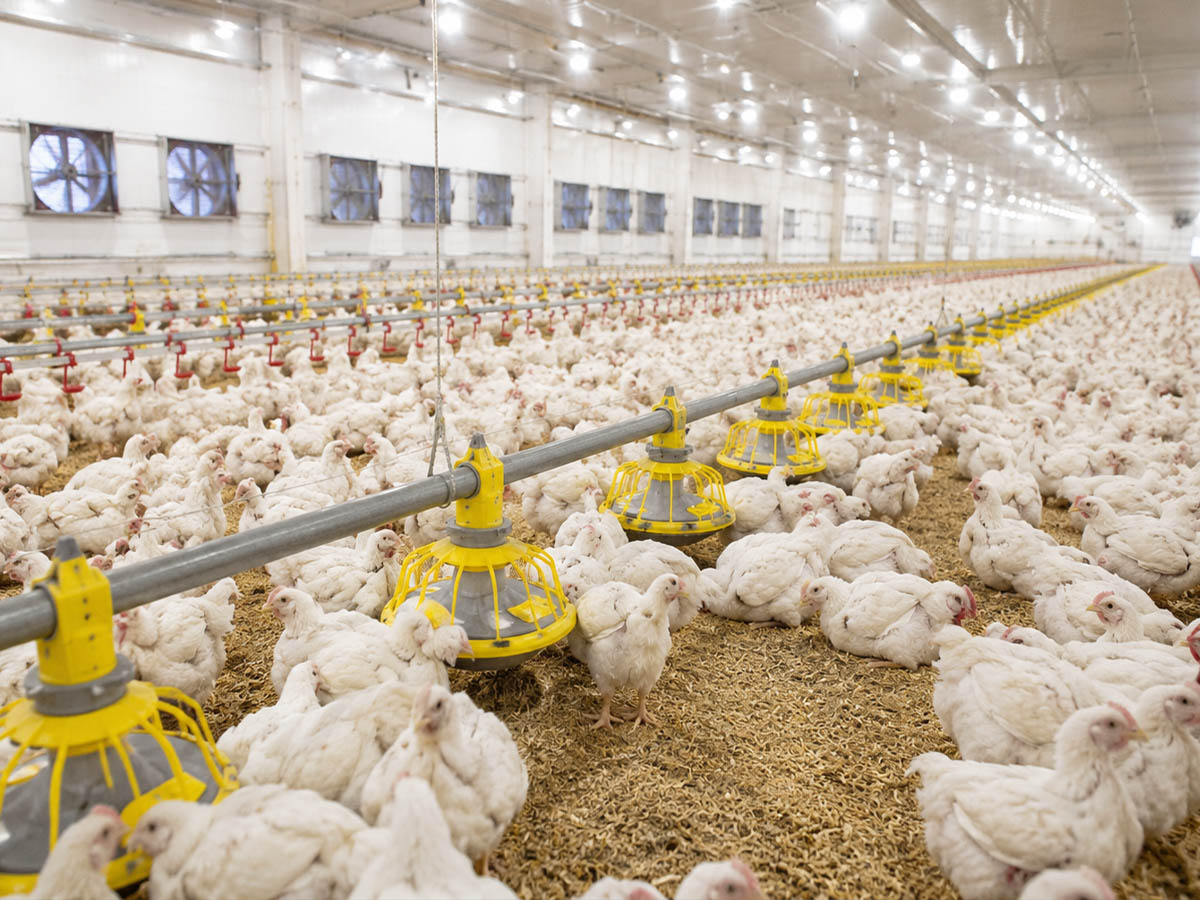
Modern broiler farming is highly organised and technology-driven. Production facilities often include climate control systems, automated feeding equipment, ventilation technology, monitoring systems, and professional management teams that oversee daily operations.
Rather than requiring investors to become poultry farmers themselves, many projects operate under fully managed models. This means experienced agricultural professionals handle the day-to-day management while investors benefit from the income generated through production activities.
As a result, broiler farming has become accessible not only to agricultural specialists but also to general investors seeking exposure to real assets and food production.
How Does a Broiler Farm Investment Work?
The exact structure varies between projects, but the general principle remains similar.
Investors provide capital to acquire ownership rights to a farm asset or production facility. Once operational, the farm raises broiler chickens through a series of production cycles throughout the year.
The process typically includes:
- Housing day-old chicks
- Feeding and monitoring growth
- Maintaining health and welfare standards
- Managing environmental conditions
- Preparing birds for market
- Repeating production cycles throughout the year
Professional farm managers oversee these activities to ensure efficient production and compliance with industry standards.
Revenue is generally generated when chickens are sold into the food supply chain. Depending on the investment structure, investors may receive income based on production performance, contractual agreements, facility leasing arrangements, or a combination of these factors.
Many modern broiler farms operate under long-term commercial agreements that help provide operational stability and predictable production schedules.
For investors, the attraction lies in participating in a productive agricultural business without being directly involved in farm management.
Why Investors Are Interested in Broiler Farming
Several factors have contributed to the growing popularity of broiler farm investments among both experienced and first-time investors.
Rising Global Demand for Poultry
Chicken remains one of the most consumed sources of animal protein worldwide. It is widely regarded as affordable, versatile, and accessible across different income groups and cultures.
As global populations increase and urbanisation continues, demand for poultry products is expected to remain strong over the long term. This creates ongoing demand for efficient poultry production facilities.
Exposure to Essential Industries
Food production is fundamentally different from many sectors that depend heavily on consumer trends or technological disruption.
People continue to require food regardless of economic conditions, making agriculture one of the world's most resilient industries. While no investment is immune to risk, the essential nature of food production often attracts investors seeking exposure to long-term demand.
Tangible Asset Ownership
Many investors appreciate owning physical assets rather than purely financial instruments.
Broiler farm investments often involve real infrastructure, including poultry houses, equipment, land-use rights, and production facilities. This tangible component can be appealing to investors seeking diversification beyond stocks and bonds.
Portfolio Diversification
Agricultural investments often follow different economic drivers compared to traditional financial markets.
Including alternative assets such as broiler farms may help investors spread risk across multiple sectors and reduce reliance on market performance alone.
What Can Investors Earn from a Broiler Farm Investment?
One of the most common questions asked by potential investors concerns returns.
The reality is that earnings vary significantly depending on the project structure, management quality, location, operational efficiency, production contracts, and market conditions.
Some investment models provide investors with income distributions linked to production performance. Others offer fixed contractual arrangements or leasing structures that generate regular payments.
Potential sources of investor returns may include:
- Revenue generated through poultry production
- Facility leasing agreements
- Long-term production contracts
- Appreciation of agricultural assets
- Operational efficiency gains
It is important to understand that agricultural investments are not guaranteed. Production performance, feed costs, market prices, disease management, weather conditions, and operational factors can all influence results.
For this reason, investors should carefully review any projections and understand the assumptions used when evaluating expected returns.
A reputable investment provider should clearly explain how income is generated and what risks may affect future performance.
Advantages of Professionally Managed Broiler Farms
One reason broiler farming has become increasingly accessible to investors is the rise of professionally managed agricultural projects.
Traditionally, farm ownership required significant agricultural knowledge and direct operational involvement. Today, many investment models remove these barriers.
Professional management teams typically handle:
- Farm operations
- Animal welfare
- Technical maintenance
- Staff management
- Biosecurity procedures
- Production planning
- Regulatory compliance
This structure allows investors to participate in agricultural production while maintaining a largely passive role.
For individuals seeking alternative investments without the responsibilities of active business ownership, professionally managed broiler farms can offer an appealing balance between asset ownership and convenience.
Risks and Considerations Before Investing
Like any investment opportunity, broiler farming involves risks that should be carefully considered.
Before investing, individuals should assess several key areas.
Management Experience
The quality of the management team can significantly influence operational performance. Investors should examine the operator's track record, expertise, and history within the poultry industry.
Production Contracts
Long-term commercial agreements can help support operational stability. Understanding who purchases the poultry and under what terms is an important part of due diligence.
Biosecurity Measures
Disease prevention is a critical aspect of poultry farming. Modern farms should maintain strict biosecurity protocols designed to protect livestock and minimise operational disruptions.
Transparency
Investors should have access to clear information regarding ownership structures, income distribution models, fees, operational responsibilities, and potential risks.
Liquidity
Agricultural assets are often less liquid than publicly traded securities. Investors should understand exit options and expected holding periods before committing capital.
Is Broiler Farm Investment Right for You?
Broiler farm investment may appeal to investors seeking exposure to real assets, agricultural production, and long-term global food demand.
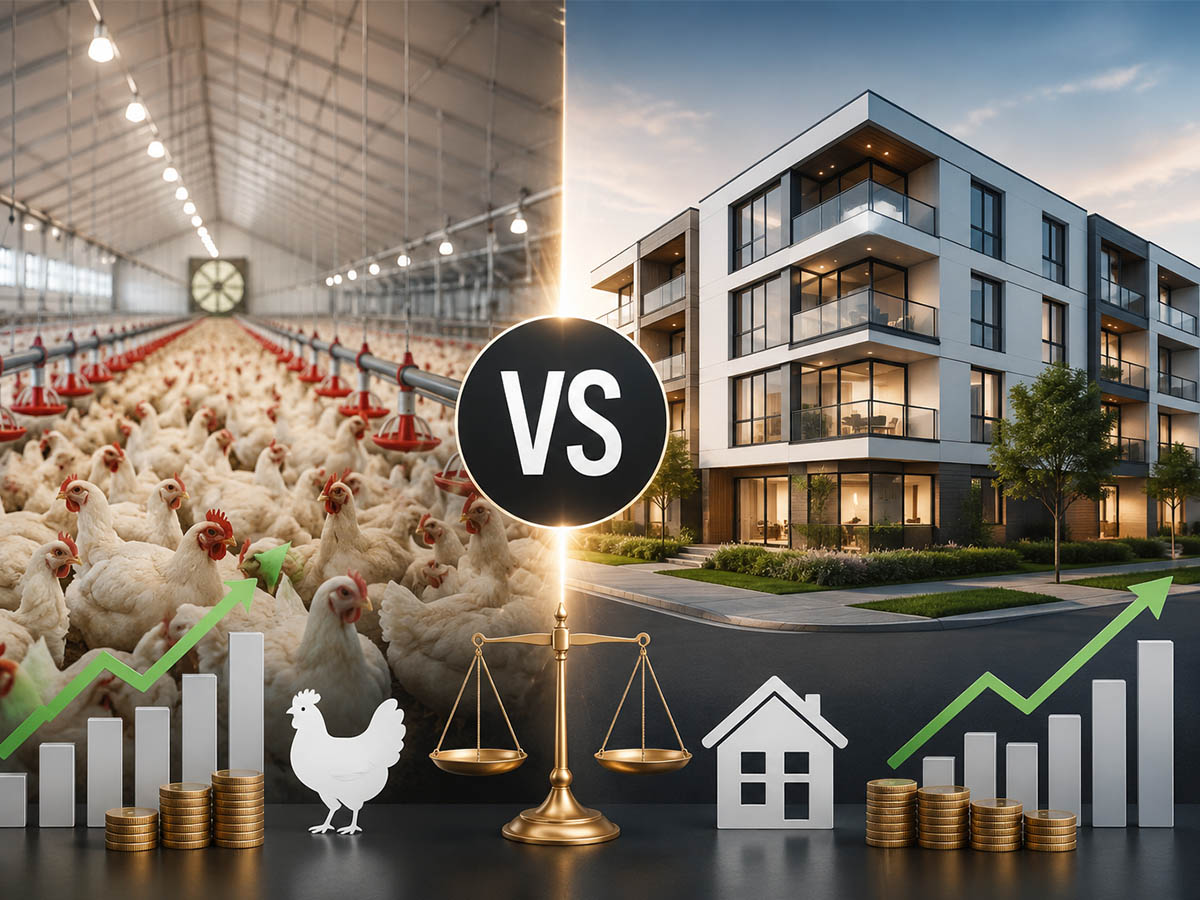
It is particularly relevant for those looking to diversify beyond conventional investments such as equities, bonds, and residential property.
While agricultural investments should not be viewed as risk-free, they offer a distinct investment profile that differs from many traditional asset classes. The combination of tangible assets, recurring production cycles, and participation in essential food production creates a unique opportunity for investors willing to explore alternatives.
Final Thoughts
As demand for food continues to rise around the world, broiler farming remains an important component of the global agricultural sector. Modern production systems, professional management structures, and growing investor interest have made broiler farm investment more accessible than ever before.
For investors seeking diversification, tangible asset ownership, and exposure to a resilient industry, broiler farming offers a compelling opportunity worth exploring.
As with any investment decision, careful research, thorough due diligence, and a clear understanding of the underlying business model are essential. When approached thoughtfully, broiler farm investments can provide meaningful exposure to one of the world's most important and enduring industries.