Managed Poultry Investment vs Self-Run Farm — Which Is Better?
22 Jun 2026 United States
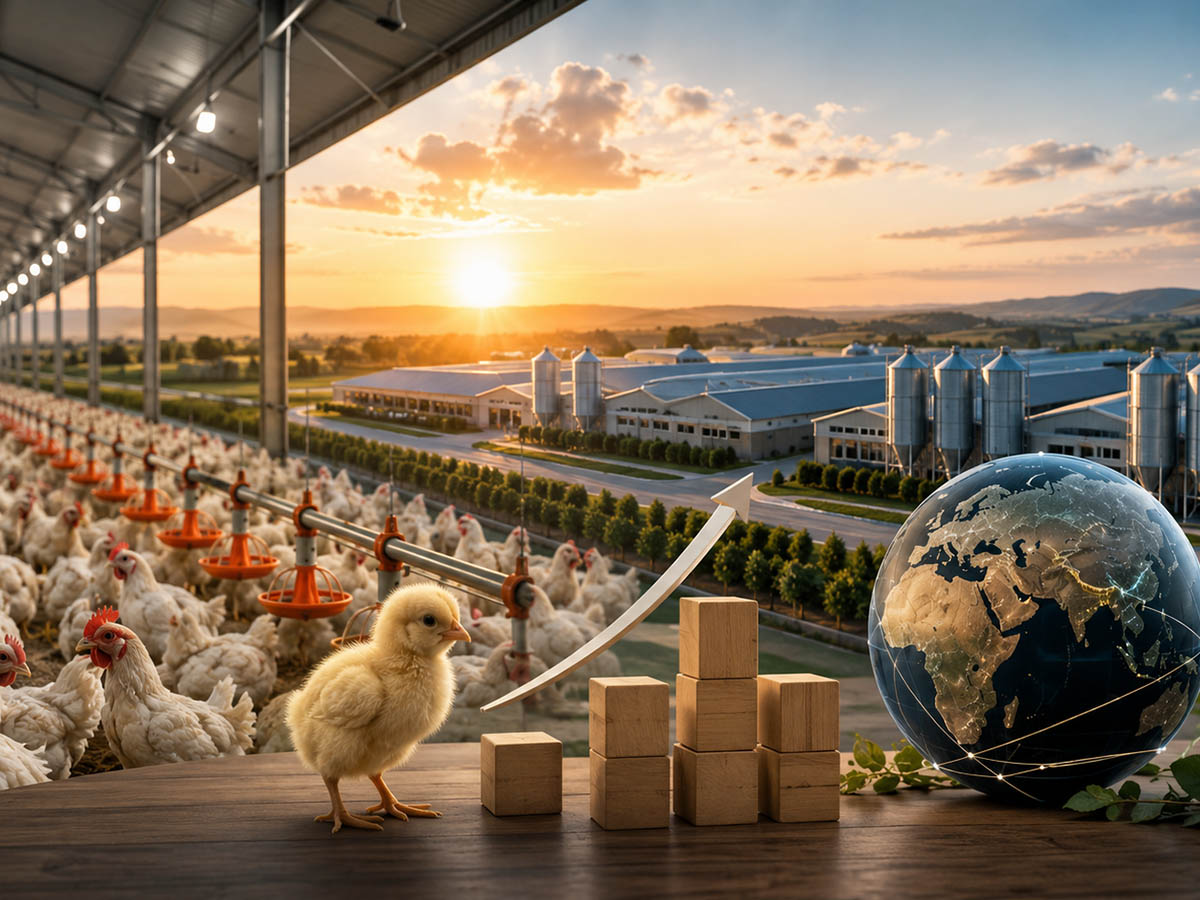
The global demand for protein continues to rise steadily, and poultry remains one of the most efficient and scalable sources of animal protein. As a result, interest in managed poultry investment opportunities has grown rapidly among both institutional and individual investors looking for stable, asset-backed income streams. In 2026, this trend is even more visible, especially in emerging agricultural hubs such as Türkiye, where modern production infrastructure and export potential are reshaping the sector.
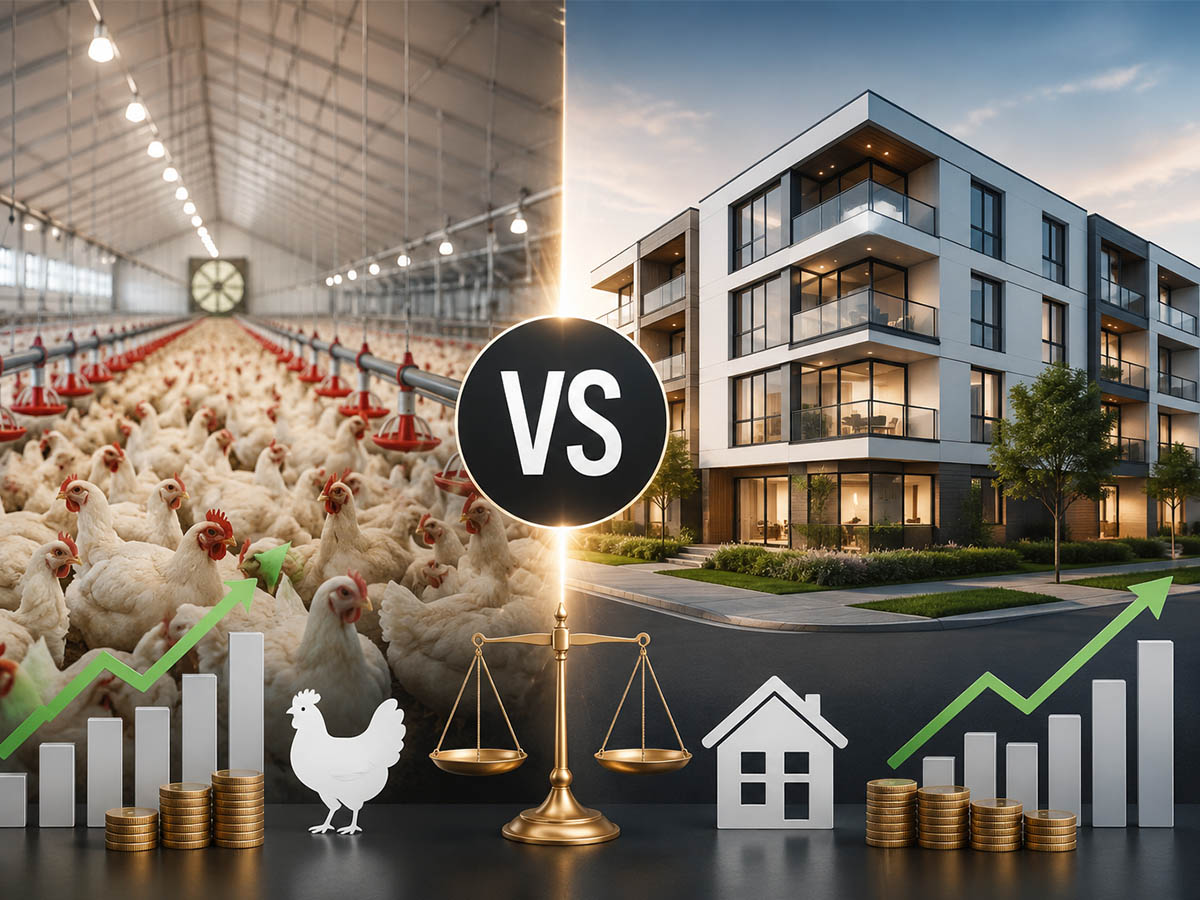
But a key question remains for many investors: should you choose a fully managed poultry investment model, or attempt to run your own farm independently? The answer depends on capital, experience, risk tolerance, and long-term expectations. This article breaks down both approaches in practical terms so investors can make a more informed decision.
Understanding Managed Poultry Investment Models in 2026
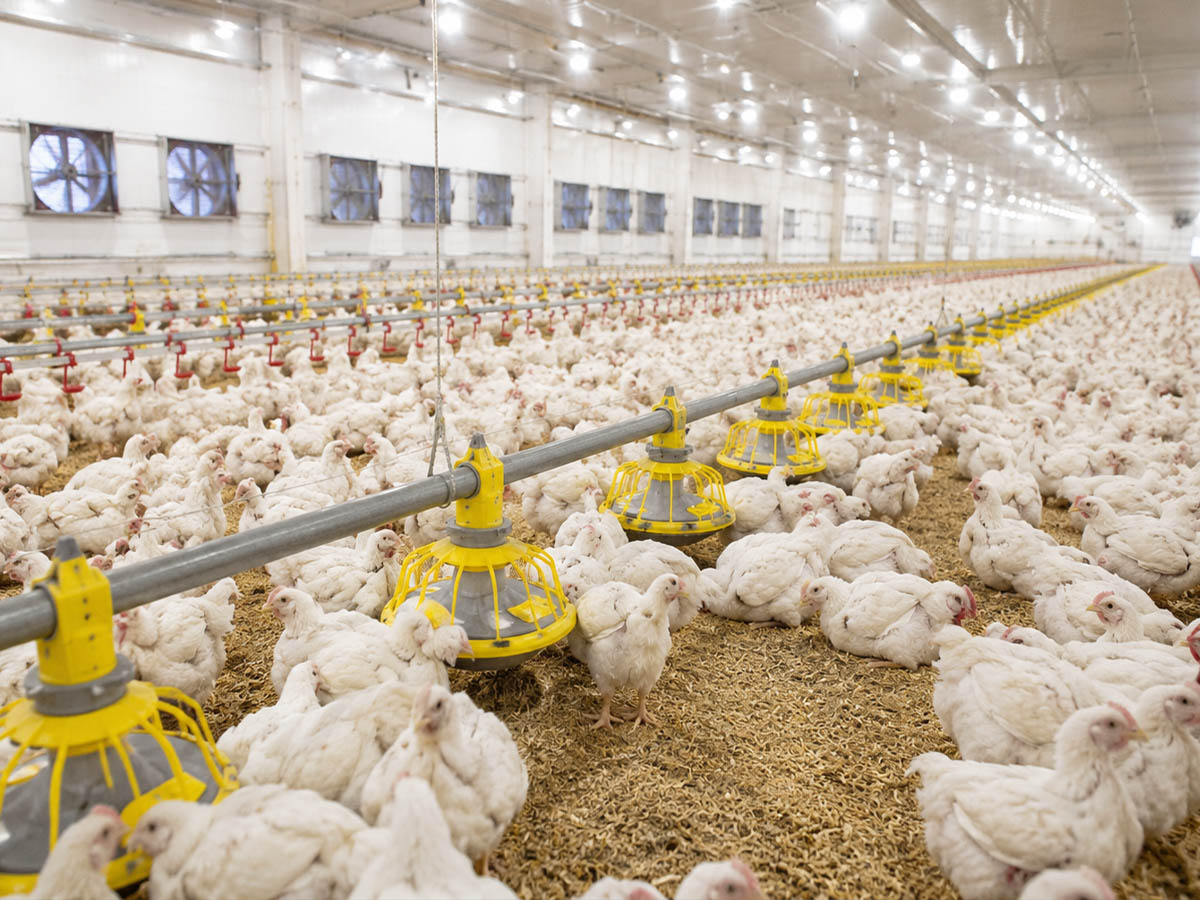
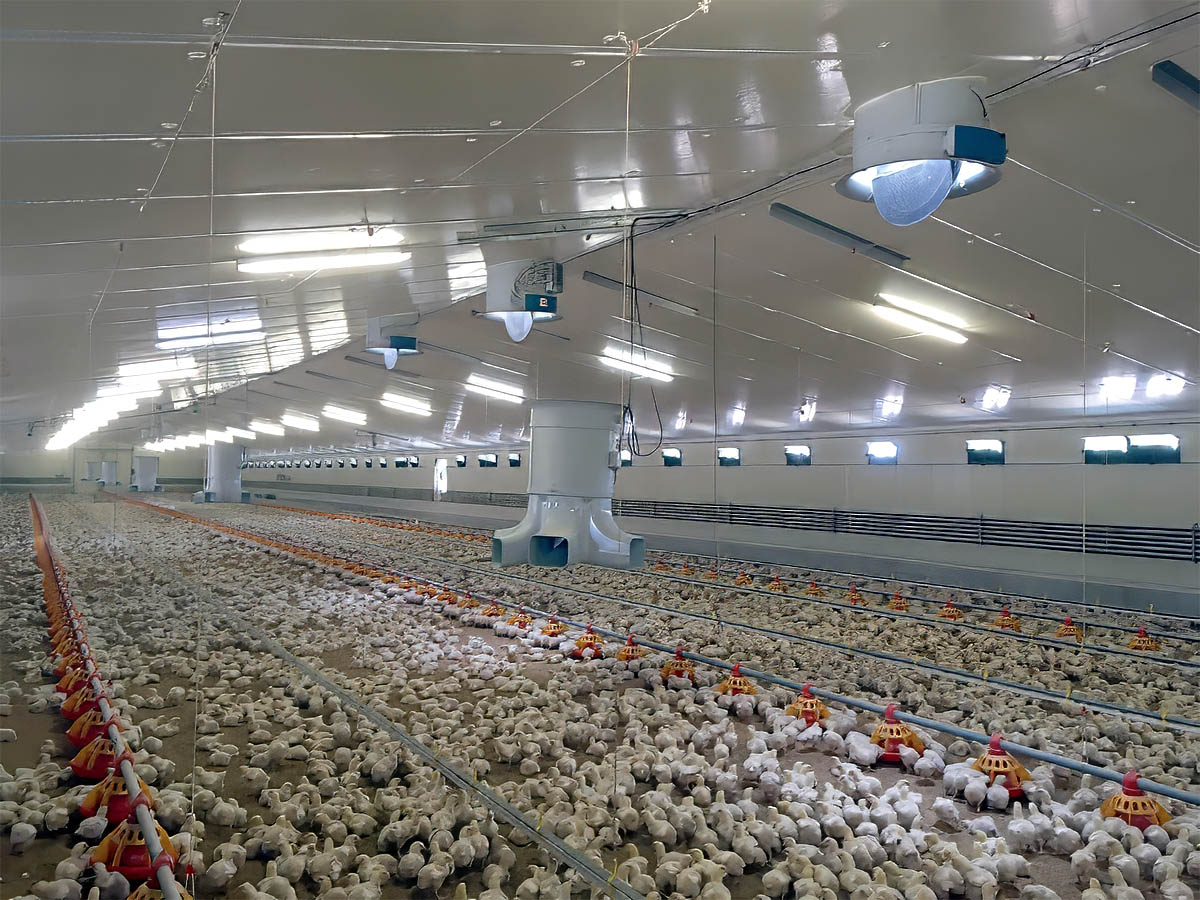
A managed poultry investment typically refers to a system where the investor provides capital, while an experienced agricultural operator handles the entire production cycle. This includes farm construction, chick placement, feeding programs, veterinary care, biosecurity, harvesting, and distribution.
In Türkiye, this model has become increasingly popular due to the rise of integrated farming complexes. These systems are designed to remove operational burden from investors while maintaining production efficiency at scale.
What makes this model attractive is its simplicity from an investor’s perspective. Instead of dealing with daily farm management, investors typically receive structured income based on production output or contractual returns.
Self-Run Poultry Farming: Control, Complexity, and Reality
On the other side, self-run poultry farming offers full operational control but also full responsibility. Investors or operators manage everything directly, from sourcing chicks and feed to hiring labor and handling logistics.
Running a farm in 2026 requires not only capital but also technical expertise. Even small mistakes in temperature control, ventilation systems, or biosecurity protocols can lead to significant losses.
The self-run model can work well for experienced agricultural operators, but for general investors, the learning curve is steep.
Cost, Risk, and ROI Comparison
1. Initial Investment: Self-run farms may appear cheaper initially, but hidden costs often increase total investment over time. Managed systems require higher upfront capital but reduce unexpected expenses.
2. Operational Risk: Self-run farms carry higher risk due to disease and management issues. Managed systems distribute risk through professional teams and standardized processes.
3. Return Stability: Self-run operations fluctuate depending on efficiency and market conditions. Managed poultry investment models provide more predictable returns.
4. Time Commitment: Self-run farms require full-time involvement. Managed models are largely passive for investors.
Which Option Is Better in 2026?
For experienced operators, self-run farming can deliver higher upside potential but with greater risk. For most general investors, managed poultry investment models are more practical due to stability and lower operational burden.
In Türkiye, integrated agricultural systems are expanding rapidly, making managed models increasingly attractive for both local and international investors.
Final Thoughts
Poultry production remains one of the most resilient sectors in global agriculture. While both models have their place, the trend is clearly shifting toward managed systems due to predictability and scalability.
For investors prioritizing stability and passive income, managed poultry investment stands out as the more balanced approach in 2026.